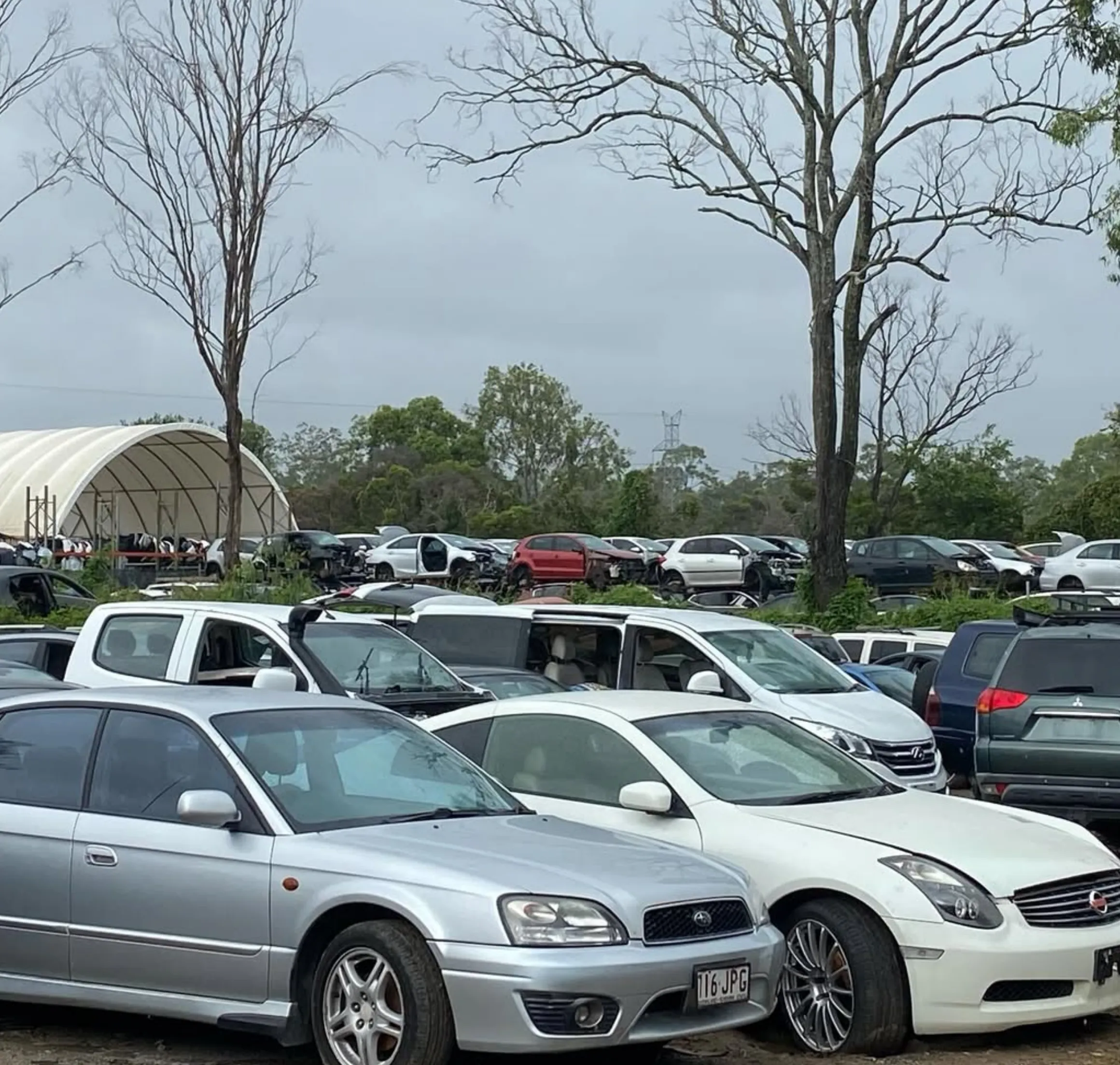
Car recycling is the backbone of the automotive recycling industry, reducing demand for new materials, supporting the circular economy and cutting down on landfill waste. Every year, millions of end-of-life vehicles (ELVs) are processed by car recyclers who extract valuable materials, recover usable parts and reduce the environmental impact of car disposal. This benefits the Australian economy, the automotive industry and the environment.
Car removal in Melbourne not only provide a convenient way to get rid of old or damaged vehicles but also play a big part in supporting the overall automotive recycling sector by ensuring cars are sent to certified recycling facilities.
What is Car Recycling
Recycling cars involves dismantling junk cars and salvaging recyclable materials like scrap metal, plastic components, glass and precious metals. By diverting these materials from landfills and putting them back into production cycles, car recyclers conserve resources, reduce energy consumption and minimise greenhouse gas emissions.
This recycling process is the sustainable solution to managing modern vehicle waste, including electric vehicles and accident vehicles, while supporting insurance companies, recycling industries and battery recycling centers.
What Car Parts Can Be Recycled?
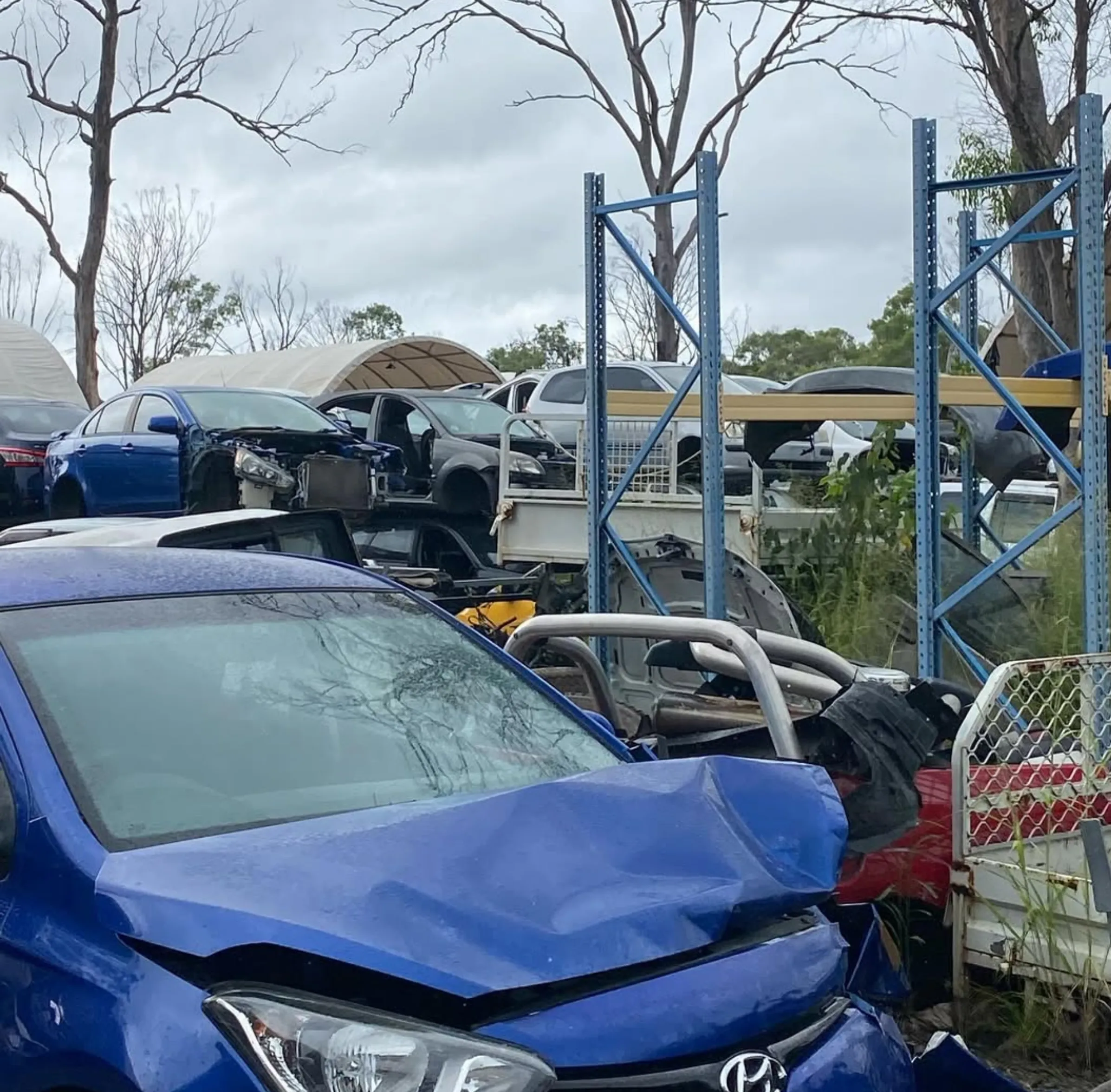
A car is made up of thousands of parts, many of which can be salvaged or repurposed. Below is a list of recyclable materials and their recycling pathways:
| Component | Material Recovered | Recycling Process or Reuse |
|---|---|---|
| Engine Oil & Fluids | Lubricants, brake fluids, transmission fluid | Collected and re-refined or safely disposed of |
| Glass | Windshields, windows | Melted and reused in glass products, construction materials |
| Scrap Metal | Steel, aluminum, carbon steel, non-ferrous metals | Sent to mills for recycling, repurposed for automotive materials or the steel industry |
| Car Batteries | Lead-acid batteries, Lithium-ion batteries, battery modules, sulphuric acid, battery components | Recycled at battery recycling centres, acid neutralised, materials reused |
| Tires & Seats | Rubber, textiles | Repurposed via Tire scrap recycling centres, used in athletic tracks, recycled consumer product manufacturing |
| Plastic Components | Vehicle plastics, bumpers, dashboards | Transformed into additional materials or building materials |
| Catalytic Converters | Precious metals (platinum, palladium) | Extracted and reused in automobile manufacturing or assembly plant operations |
Benefits
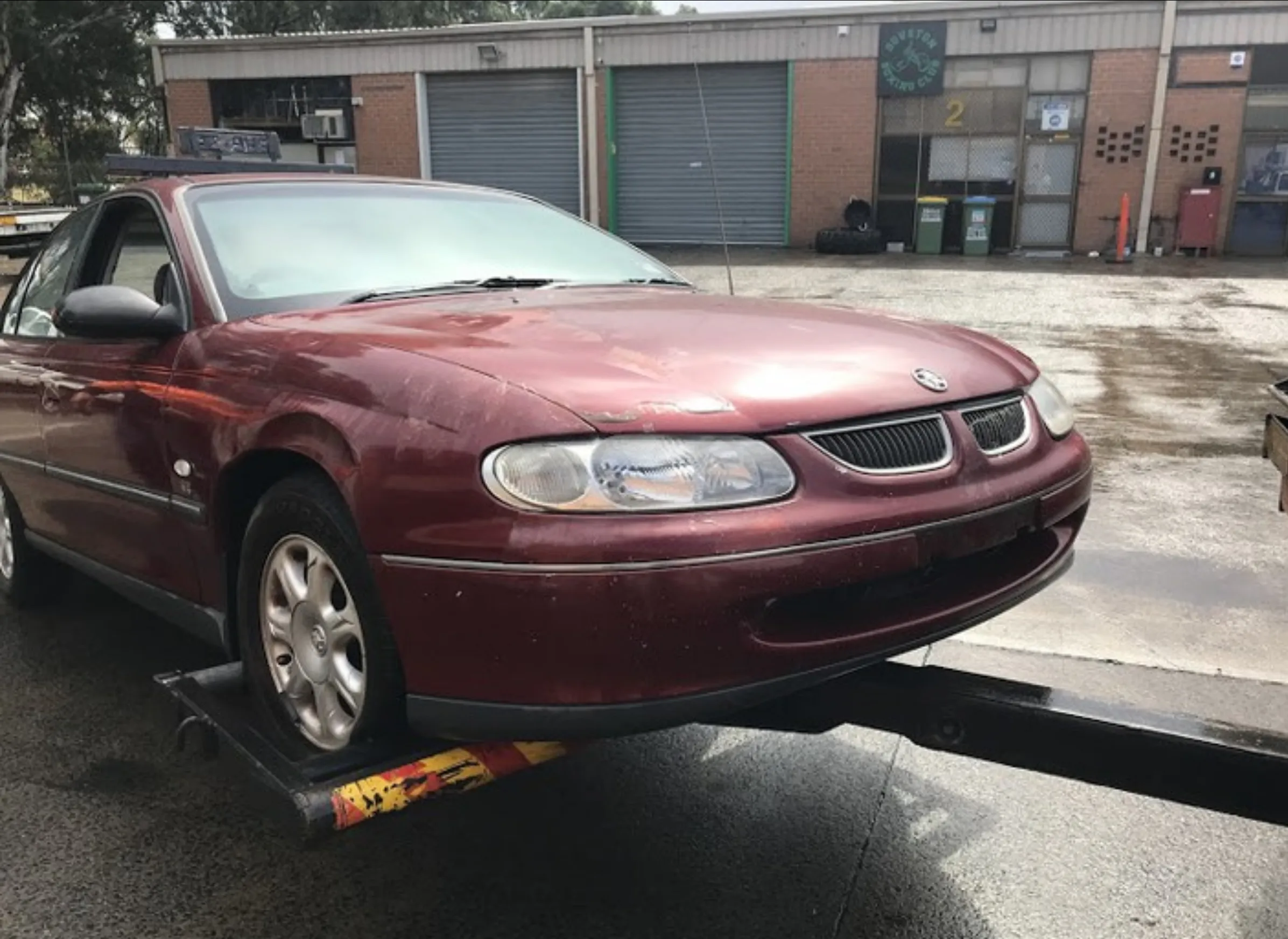
Car recycling gives you many benefits beyond just metal recovery. It reduces air pollution, water pollution and gets rid of toxic fluids and hazardous substances like sulphuric acid, fuel tanks and harmful chemicals.
Environmental Benefits
- Prevents landfill waste
- Supports post-producer recycling and chemical recycling
- Reduces raw materials from mining
- Decreases the carbon footprint of car manufacturers
- Allows safe removal of hazardous materials
Economic Benefits
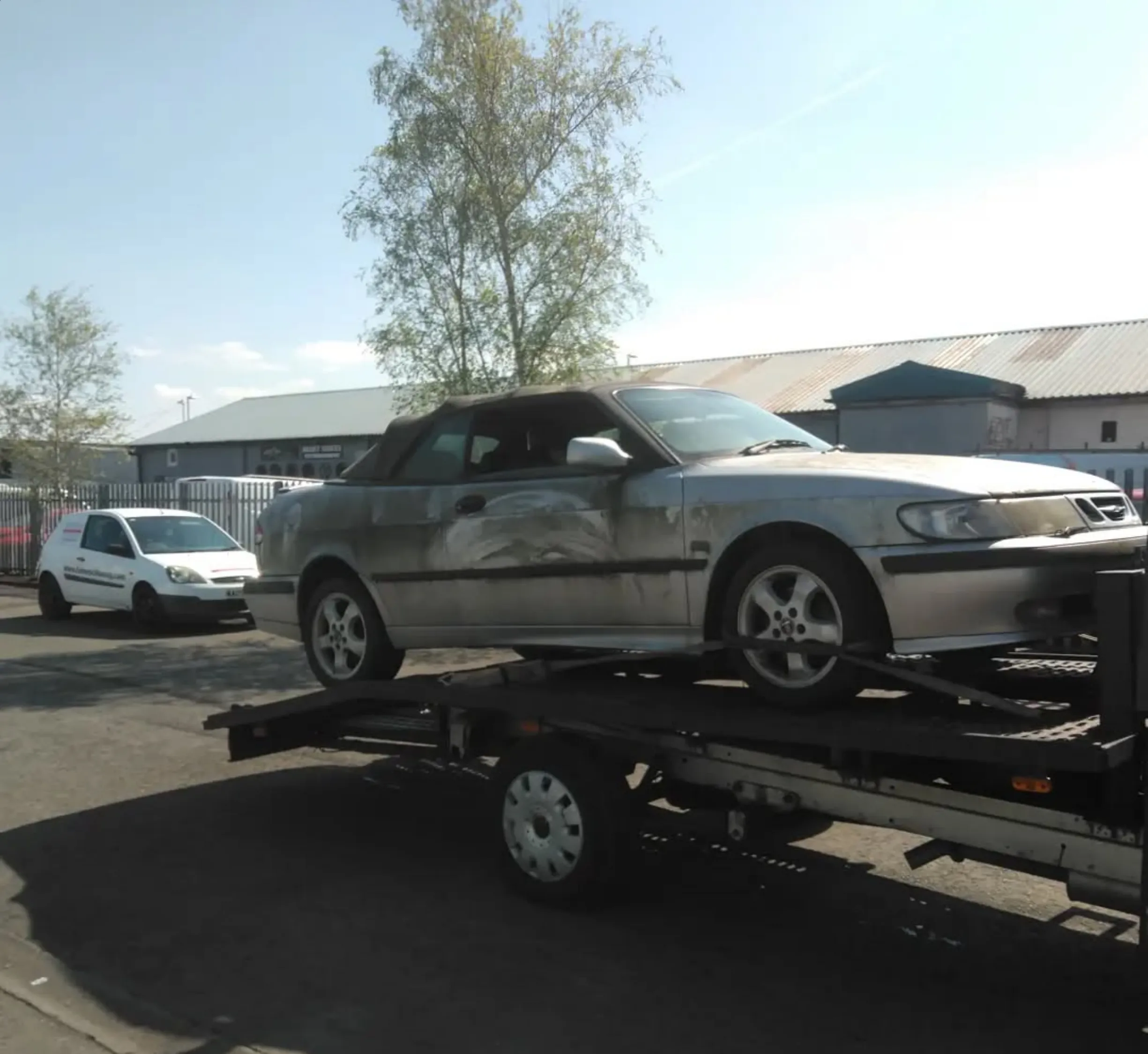
- Helps the Australian government towards a greener future
- Gives cash for cars registered, including junk cars and bodyshell panels
- Creates jobs in recycling companies, metal recycler yards and stamping plants
- Provides cars for cash options for consumers while supplying material recovery to industries
- Drives innovation through recycling technology
How Car Removal Services Support Recycling
Old car removal companies are at the forefront of this movement. They handle everything from drain fluids using art fluid recovery systems to car recycling via partnerships with advanced recycling technologies and authorised recycling facilities.
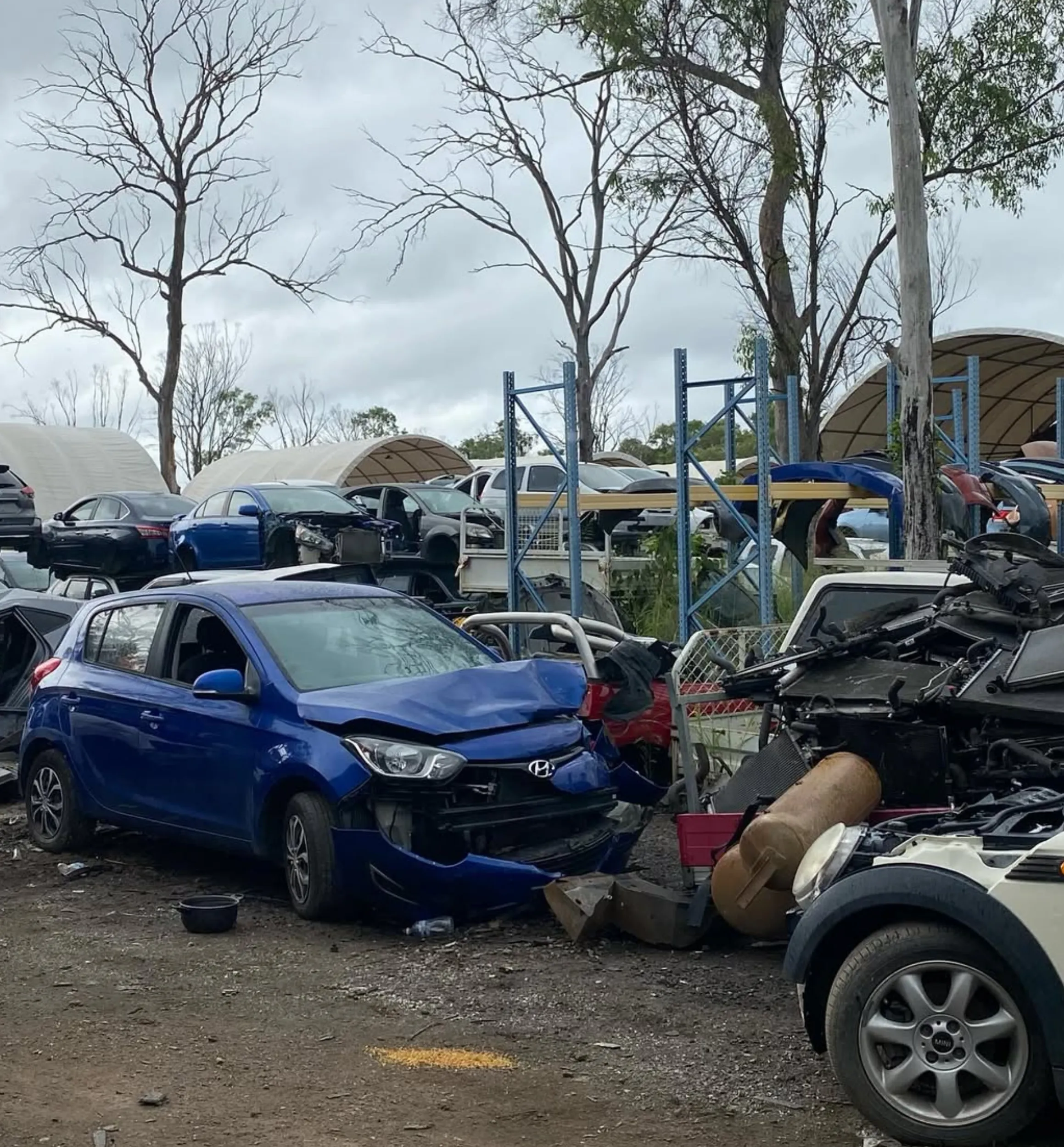
These services make it easy by:
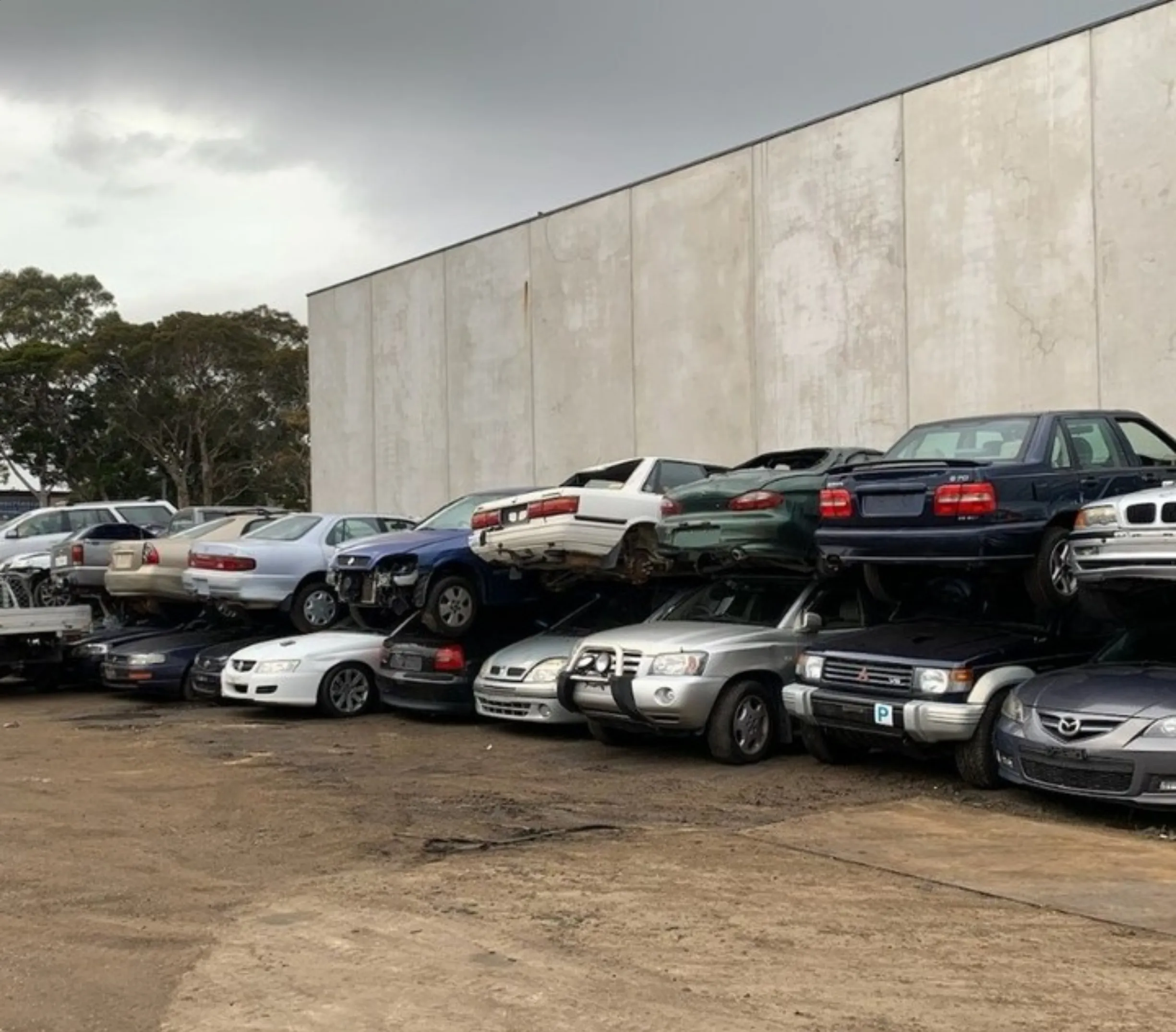
- Offering cash for scrap cars, including damaged, junk, or electric car batteries
- Managing insurance claims for accident vehicles
- Providing a quick quote via an online form, making cash deals fast and easy
- Collecting vehicles from homes or businesses through pickup services and tow trucks
- Ensuring legal requirements around hazardous fluids, vehicle bodies, and shredder residue are met
With old cars removed in Melbourne daily by licensed recyclers, the city is reducing landfill waste and promoting sustainable motoring.
Frequently Asked Questions
What happens to a car in the recycling process?
Cars are torn down, fluids are drained, parts are removed, and steel, plastic and glass are sent to recycling facilities to be reused.
Are electric vehicles recyclable?
Yes. Electric vehicles go through specialised processing for battery recycling, including Lithium-Ion battery modules and precious metals in catalytic converters.
Is it safe to recycle hazardous fluids from vehicles?
Yes. Licensed auto recyclers follow strict guidelines to safely remove and process hazardous fluids like transmission fluid, brake fluid and sulphuric acid.
How do I get paid for recycling my car?
Use a trusted recycling company that offers cash for cars, an instant quote and cash on the spot for your junk vehicle or scrap car.
What’s the environmental impact of car recycling?
Recycling cars saves natural resources, reduces energy consumption, prevents toxic substances and promotes a brighter future through sustainable vehicle design.